
Waking up with a sore jaw, a dull headache, or a clicking sound every time you chew can leave you wondering what is actually going on. For many people, these symptoms trace back to the temporomandibular joint, the hinge that connects the jawbone to the skull, and the muscles that support it. When those muscles stay tense from clenching or grinding, the pain can spread to the temples, neck, and even behind the eyes.
At Radiant Smiles Dentistry, we often hear this concern from patients who have tried mouth guards, warm compresses, or over-the-counter pain relievers without lasting relief. Botox has become a treatment option some dentists use to help calm overactive jaw muscles, and it may be worth understanding how it works before you and your dentist decide whether it fits your situation.
What Causes Jaw Pain and TMJ Discomfort?
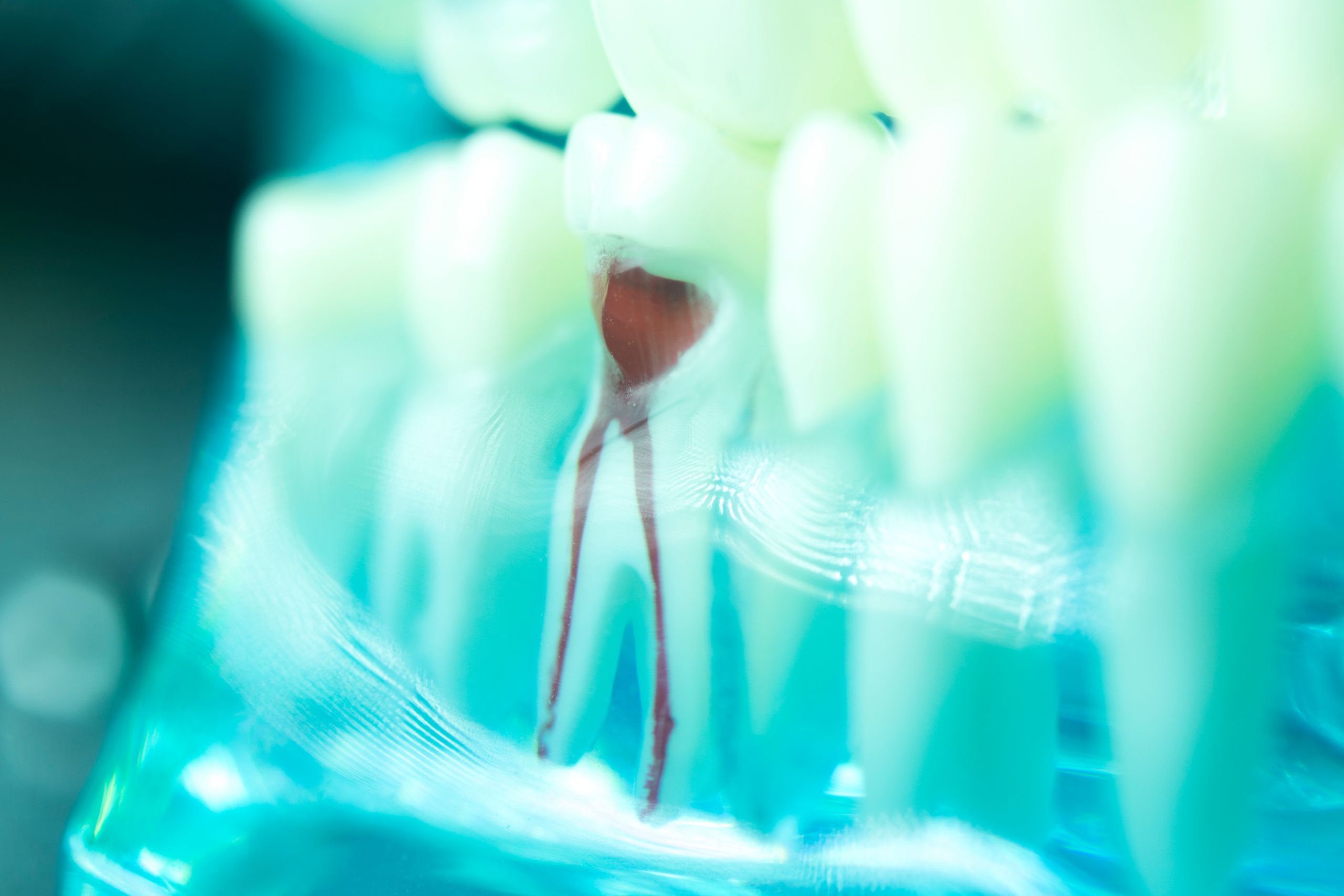
Jaw pain often stems from the muscles around the joint working harder than they should. Clenching during sleep, chronic stress, or an uneven bite can all place extra strain on the masseter and temporalis muscles, the two main muscles used for chewing. Over time, this strain can lead to soreness, stiffness, and a limited range of motion when opening the mouth wide.
Many people don’t realize they’re grinding until a partner mentions the sound at night or a dentist notices worn enamel during a routine visit. Left unaddressed, the ongoing muscle tension can contribute to headaches that feel similar to migraines, along with ear discomfort and a jaw that feels tired by midday. Identifying the root cause is the first step toward finding a treatment that actually helps.
How Botox May Help Relieve Jaw Tension
Botox temporarily relaxes the muscles it is injected into. When used for jaw pain, a dentist trained in the technique injects small amounts directly into the masseter and temporalis muscles, reducing the intensity of clenching and grinding without affecting the ability to chew normally. A systematic review published in Frontiers in Surgery found supportive evidence for botulinum toxin injections in reducing myofascial pain linked to temporomandibular disorders, particularly for patients who have not found relief through more conservative treatments.
This is not a permanent fix, and results typically last a few months before another visit is needed. That said, many patients find the temporary relief valuable enough to make it part of an ongoing care routine, especially when paired with other approaches like a nightguard or stress management techniques. Our team can walk you through what results may look like based on your specific symptoms.
What to Expect During a Botox Visit for Jaw Pain
If you and your dentist decide Botox may be able to help, the appointment itself is usually brief. A few precise injections are placed into the jaw muscles, and most patients describe the discomfort as similar to a quick pinch. There is little to no downtime afterward, so you can typically return to your normal routine the same day and expect the following:
- Injections typically target the masseter and temporalis muscles on each side of the jaw
- Results are usually noticeable within a few days to two weeks as the muscles begin to relax
- Effects generally last a few months, so follow-up visits help maintain relief over time
Every patient’s jaw structure and symptoms are different, so we take time to review your history and current discomfort before recommending Botox as part of your treatment plan. Some patients also benefit from combining this option with Invisalign if an uneven bite is contributing to the strain.
Is Botox the Right Option for Your Jaw Pain?
Botox tends to work best for patients who have already tried conservative options, such as a nightguard, without the relief they were hoping for. It can also help those with frequent tension headaches linked to clenching, since relaxing the jaw muscles often eases the pressure that radiates upward. Our team can help you decide whether this approach makes sense compared with other options in our restorative or general dentistry services, depending on what is driving your discomfort.
It is also worth mentioning that Botox for jaw pain is different from purely cosmetic treatments. The goal here is function and comfort rather than appearance, which is why many patients feel more at ease pursuing it once they understand the distinction. If grinding or clenching has been a long-standing issue, this may be one more tool available to help manage it alongside your regular preventive care, such as dental cleanings and exams.
Talk to Radiant Smiles Dentistry About Your Jaw Pain
Dr. Sonam Patel and our team at Radiant Smiles Dentistry believe patients should feel like partners in their own care, which is why we take the time to talk through every option before recommending a treatment plan. Whether jaw pain has been an occasional annoyance or a daily disruption, we want you to leave our office with a clear understanding of what is causing it and what can be done. Learn more about Dr. Patel’s background and her approach to patient-centered dentistry.
If jaw tension, clicking, or morning headaches have been part of your routine for too long, we would love to help you find relief. Contact our office today to schedule a visit and start the conversation about whether Botox or another approach is the right fit for your jaw pain.